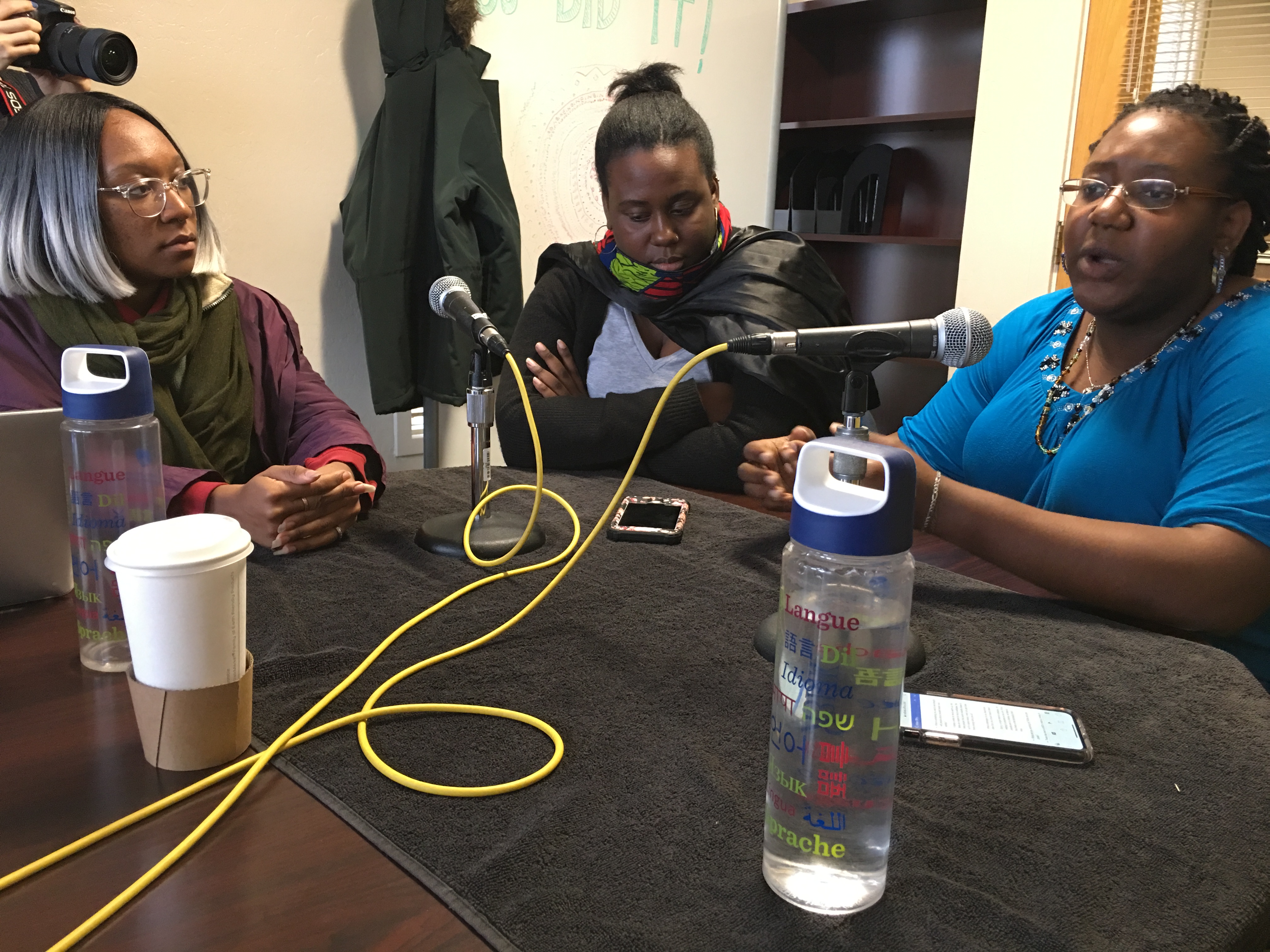
Episode 3 of MIIS Radio is an interview with Castelline Tilus, a MIIS Alumna who embodies what we do and why we do it. She embraced her Haitian identity, taking her incredible work ethic back to her home country to apply what she learned here on campus. Working in Haiti, she and her colleagues explored the perception of NGOs in a country that depends almost entirely on NGOs for social services.
Castelline proves that passion and diligence can translate into a lifetime of service for students at MIIS. She was always a friendly face here on campus with insights to offer in class, but this interview reveals her experiences at MIIS and what moves her to work in the development field.
She walks the walk and talks the talk. Her actions prove her values and her smile proves her heart. I hope you enjoy and learn as much from Castelline as I did.
[Disclaimer: The ideas, opinions and comments of this podcast do not represent the viewpoints of Middlebury Institute of International Studies-Monterey or Student Council and are solely the opinions of the individuals who participated in the podcast. In addition, the contents of this podcast may contain sensitive topics and explicit language- Thus, listener discretion is advised.]
In 1976, President Gerald Ford decreed Black History Month to be nationally observed .
“We can seize the opportunity to honor the too-often neglected accomplishments of black
Americans in every area of endeavor throughout our history.”
With this in mind, among many other things, the producers here at MIIS radio decided to launch a multi-episode podcast with a focus on Black history. After lengthy but productive discussions we realized there were several important ideas driving the the vision of this podcast.
Black history is American history
Black history should not be restricted to one month in of the year. Neither should Black issues, Black accomplishments, or Black advocacy .
We then decided that this discussion should span beyond the one month of February. And so, on a rainy day at the end of February, we sat down with our first panel, that comprised of a range of your peers & colleagues here at MIIS, to share their insight, experiences and stories about black identity at MIIS, in the community, in the United States and abroad. Our conversation covered history, its impact on the present, and our hopes for what the future might look like.
As you walk around the MIIS campus, you realize it doesn’t take a lot of steps to get to your classes. What’s more you tend to bump into your classmates as you cross Van Buren or strike up a conversation with professors as you queue up for the lunch line at Samson. If you’re lucky you get to sit down and talk a few times a week, but it’s probably impossible to get to know everyone.
So the day-to-day grind becomes a bit of a mindless routine for everyone. We walk to our classes, we wave hello to our friends and walk past familiar faces…
It was one afternoon as I entered the library this scenario popped into my mind.
“I’ve walked past that person about five times today…wonder what’s his story…”
That’s when it dawned on me, sometimes I forget that these familiar faces I see are actual students, actual people. Sometimes I fail to realize everyone at MIIS is here for a reason. Everyone has made the journey here to pursue something, to share their knowledge, and put forth their energy towards projects that can further empower others. MIIS may be a small campus, but it’s bursting with innovative ideas, people who are excited, and passionate to make the world a better place. It’s understandable that we might miss the inspiring stories of our classmates in the hustling of grad school.
MIIS Radio’s new mission is to bring those stories to you so you can get to know these people better, learn from their experiences and action–maybe inspire some action of your own.
Here’s one that you might have missed–or one about which you may have wanted to learn more. For the second year in a row, a team from MIIS won the MBA Case competition in Davos, Switzerland. Their team’s challenge from the competition sponsor, BNP Paribas:
Develop a new and actionable idea that will enable meaningful investment in the United Nations’ Sustainable Development Goals while creating new growth opportunities for BNP Paribas CIB division. The case study can be found here.
Sounds an awful lot like a prompt from a policy course…go figure! Here’s the team in all their glory:
We brought these four students together on a sunny day on the second floor of the Digital Learning Commons to share their story. We wanted to get a better understanding of how they got to Davos–a feat in and of itself–and won.
Heard of Davos? Could you find it on a map? Wait, what does MIIS have in relation to Switzerland? Here’s a little sneak peak.
The MIIS Team that won the Davos competition
You might have missed this story–or one about which you may have wanted to learn more. For the second year in a row, a team from MIIS won the MBA Case competition in Davos, Switzerland. Their team’s challenge from the competition sponsor, BNP Paribas:
Develop a new and actionable idea that will enable meaningful investment in the United Nations’ Sustainable Development Goals while creating new growth opportunities for BNP Paribas CIB division. The case study can be found here.
Tune in on Friday 3/9/18 for the release of
Episode 1: Miis’d you in action: Davos Competition Winners
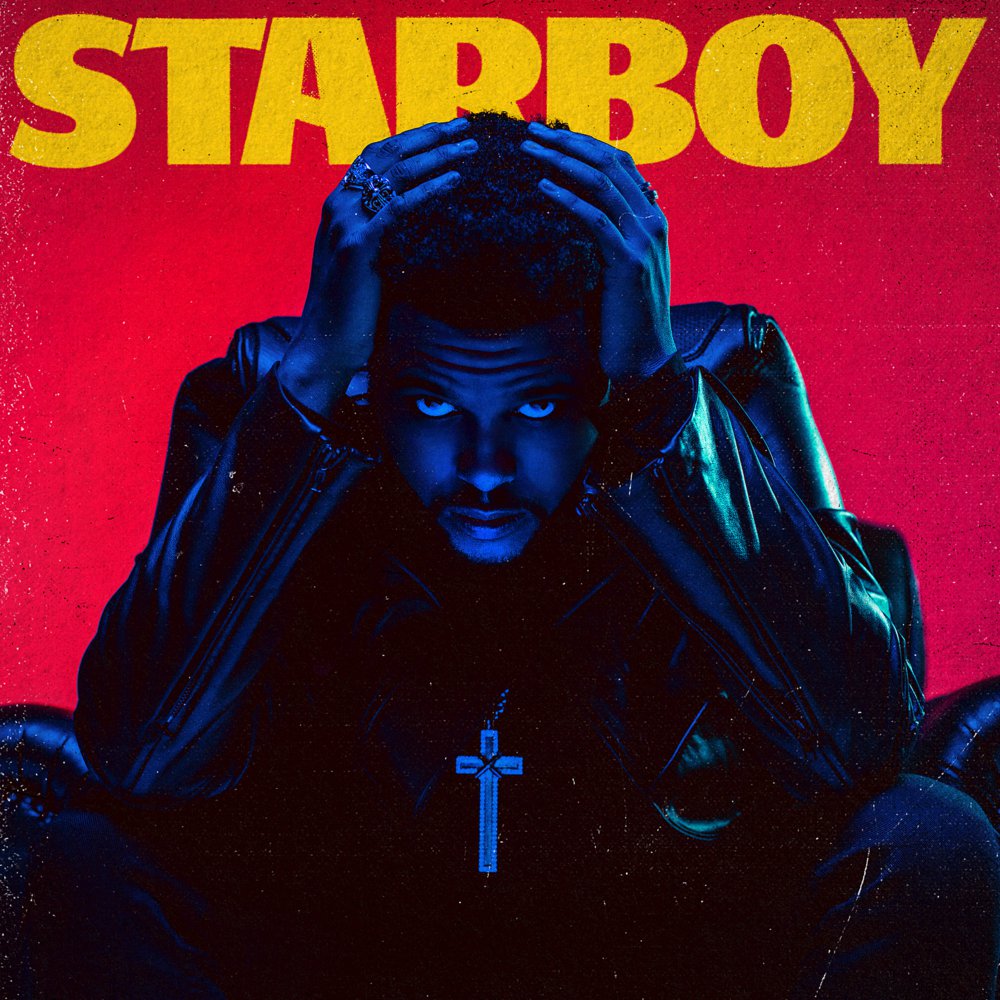
The Weeknd released their third studio album at the end of 2016, with Starboy getting plugged in every radio station around the country and topping charts, such as spotify and billboard. Initially, I didn’t approach the Weeknd with welcoming arms, but that was a poor case in judgement. What’s the moral of this story? Don’t judge an album by its cover. Just kidding. Don’t judge an album based on one song! That may sound obvious to the universe and I’m probably getting frowned upon by all you music aficionados but honestly, I’ve learned a great deal just from Starboy.
5 things to take away from the Starboy album.
GO CANADA! The Weeknd aka Abel Makkonen Tesfaye is Canadian?? Canadians again FTW. Add this to the “Great Things That Come From Canada” list; Trudeau, both Ryans, Drake, Sandra Oh, and poutine, but this reinforces a refreshing take that Canada has nice things. And yes, we can have nice things. Canada is officially killing it in the last two three years, way to go. So, thank you, America’s hat. Make Canada great again!
STOP HATING: When 50 Shades of Grey decided to show up on our radars, I immediately backed away. Sorry Weeknd, “Earned It” made me slightly judgmental and unwilling to try again. But with Starboy, you’ve created a game changer Abel Tesfaye. (Disclaimer: I still remain convinced 50 Shades of Grey will be the reason why we can’t have nice things. But thank god for Canada, am I right?) The album definitely reminded me to remain opened minded. Post-election blues can be such a downer, but this album will remind you to be appreciative of new sounds, new talents, and ideas. Break out of your cynical shell and absorb the beats.
Crowd pleasing album. Put this on at a house party, at the beach, dinner, and it wouldn’t piss anyone off. Aside from the parties it fits pretty much any situation, romantic ones especially. (To those of you who played this on Spotify while you enjoyed your Valentine’s day weekend, we tip our hats to you.)
Lyrical Wordsmith Genius. Move over Kanye. Were done with you for now. The album paints vivid narratives and weaves poetic and gut wrenching honest truths about love and loss. The acknowledgement you hear in “I Feel It Coming” is so honest, brutal at times. Take for instance.
“You’ve been scared of love and what it did to you,
You don’t have to run, I know what you’ve been through.”
Even in “Nothing Without You”
“Don’t stop your loving, it’s all I have, Cuz I can’t function, no I won’t last,
I swear I’ll love you just like the past, Cuz I know what’s pain, this is not the same”
Plucking inspiration. The album plucked elements and notes from genres ranging from 80’s electronica synth, hip hop, a little R&B and even Michael Jackson. You definitely hear that vibe in a lot of songs, “I Feel It Coming” brings that out. Starboy also takes hints of the electronica styles from artists like Kygo, Odesza, Flume, and of course, Daft Punk. (The collaboration with Daft Punk is pure genius! We hope to see Daft Punk emerge with a global tour. Stop teasing us on twitter).
Starboy has defied my own expectations for albums and woke me out of the complacency that has been so hinged on listening to singles, but singles no more.
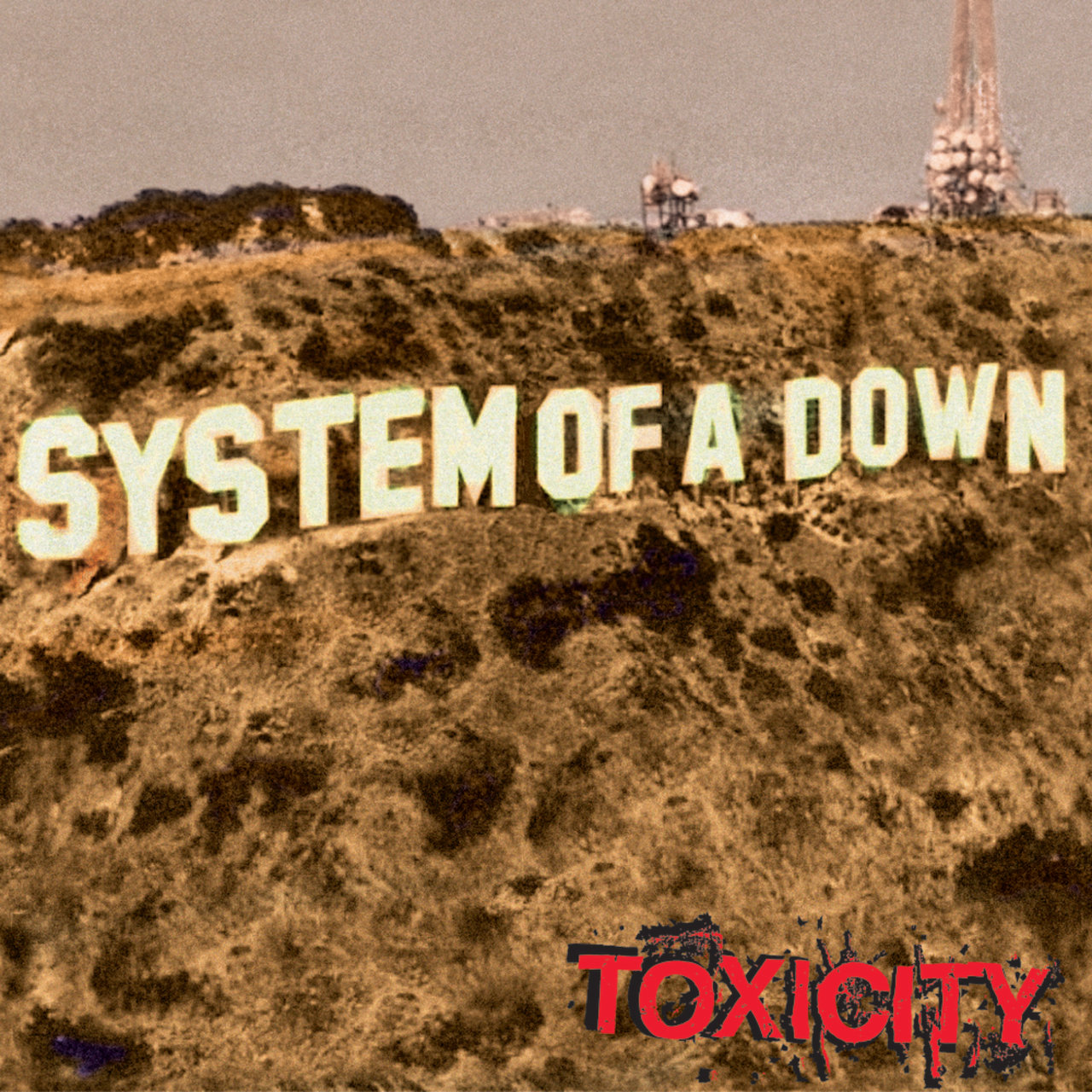
This may irk some people, but it’s been boiling in me for 15 years and I’m going to just come out and say it. There has never been a more prolific, barrier-breaking, innovative, and quirky album than System of a Down’s 2001 Toxicity. To most younger MIIS students, the album elucidates memories of head-banging in your middle school friend’s bedroom with the volume cranked and the door shut. The anti-establishment angst was so palpable it could level an entire World War 1-era battlefield. From the first metallic crunch of Prison Song to the melodic high pitched, hair-raising opera-like harmony climax that the album closes on in Aerials, the album stands the test of time more than any other work of modern political critique remotely close to the genre of rock, especially in the age of Trump.
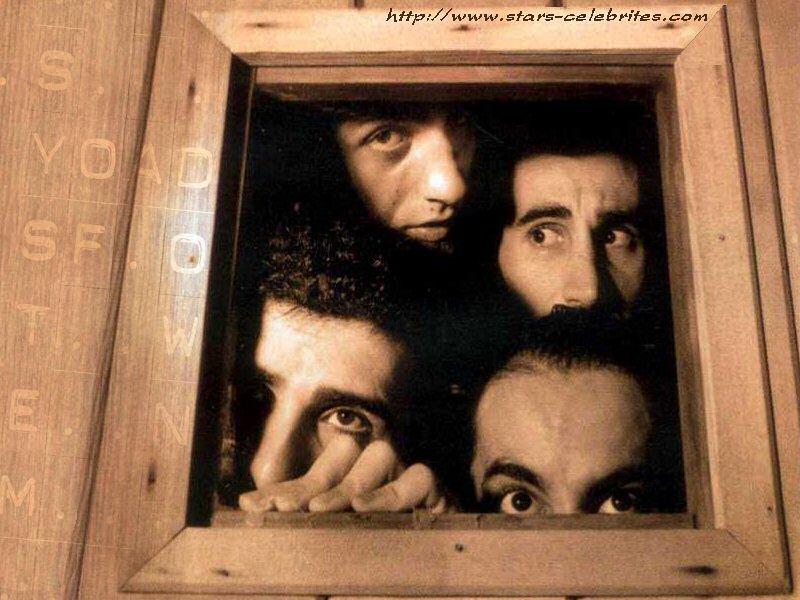
Having been released the week of September 11th, 2001, the album stirred major controversy, to the point that Chop Suey, the album’s magnum opus,was immediately taken off radio stations for the sensitive lyrics “I cry / when angels deserve to die / in my self-righteous suicide.” Comprised by the four-man Armenian-American quartet of Serj Tankian, Daron Malakian, Shavo Odadjian, and John Dolmayan, the band has always sung about injustices in the world committed by various agents of imperialism and oppression, often referring to the Armenian Genocide still denied by the Turkish government to this day. While in the 2000’s it was regarded as an indulgently liberal painting of the horrors of the world in a time of Neo-Cons and Hawks, the imagism it conjures is all too real today.
To bring this to light, many of the songs that once depicted a fictitious post-apocalyptic war-film are now simple realities. Once playing into the quirky jokiness of System’s style, now unapologetically describing the horrors that are going on within our own country and our own administration in 2017. Prison Song starts the album off as a no-holds-barred rip through the nu-metal sound that Toxicity claimed virtually all on its own. The song smashes through fast paced guitar riffs that shake the floor before quickly flipping to fast-paced cymbal high-hat while Serj raps breakneck, no-breathe verses like:
“Minor drug offenders fill your prisons
You don’t even flinch
All our taxes paying for your wars
Against the new non-rich”
Then as the song builds up to the chorus every time, Serj seemingly peeks his head over a couch in the background with kind reminders of the dark, subjective realities of 20th century America, such as:
“The percentage of Americans in the prison system
Prison system, has doubled since 1985″
or
“Drug money is used to rig elections
And train brutal corporate sponsored
Dictators around the world!”
That last one gets me every time. Don’t forget, there is a quirky allusion to comedy and satire with how these men work.
And this is what the album–and the band–does so very well. Not only do they fearlessly call out hypocrisies at the rate that Donald Trump spews unfounded claims in a press conference, but they spin out these songs with the structure of a 40 minute classical piece, and condense it into 4 minutes. The timing is always changing, and it is always catchy, from whomping, stomping nu-metal riffs, to pantomime, eastern European, Armenian-sounding jaunts. Deer Dance, one of the secret gems of the album, starts off like any system romp, cooling down into a sliding bass tune, and this is where the Trump-era images start to become painfully real:
“Circumventing circuses,
Lamenting in protest,
To visible police,
Presence sponsored fear
Battalions of riot police,
With rubber bullet kisses,
Baton courtesies,
Service with a smile
Beyond the Staples Center you can see America,
With its tired, poor, avenging disgrace,
Peaceful, loving youth against the brutality,
Of plastic existence.”
Then it veers off into a walloping, thudding chorus:
“Pushing little children,
With their fully automatics,
They like to push the weak around”
If this doesn’t whirl your head around to the recent images of ICE officers performing mass arrests of illegal immigrants and placing them in detention centers, than you haven’t been paying attention. An album from 16 years ago that seemed to relish in depicting a fictitious breakdown of our society has instead sung about some harsh new realities.
Chop Suey requires no explanation. It is the schizophrenic anthem of an age of discontent youth surrounded by the dominance of corporate America. If you don’t know this song, youtube it and you’ll remember probably one of your high school friends or your own teenage children riffing its quantum-speed staccato verse in an obnoxious, hilarious way. The final chorus is one of the most climactic points in modern music with biblical references abound.
Forest begins with haunting rolling drums that break into another dance-frenzy of hunking riffs. The chorus is notably harmonious, but also deep in meaning:
“You made the weapons for us all, just look at us now!
Why can’t you see that you are my child?
Why don’t you know that you are my mind?
Tell everyone in the world that I’m you
Take this promise to the end of you”
This alludes to the utilization of neocolonial entities by major powers to do their dirty work. To Serj, our children are the foreign leaders western (and eastern) powers have used (directly and indirectly) to commit various atrocities across the globe.
ATWA is no exception to the back-and-forth of melodic, subdued verses interrupted by powerful, crashing choruses that lead into epic, leaping guitar solos and is one of the top tracks. Science directly confronts the negative impacts of technology on mother-nature: “Science has failed our world / Science has failed the mother earth / Spirit moves through all things…”
Toxicity, the second of the three smash hits of its namesake, starts of quietly like many others. Serj lulls you to sleep through the quiet destruction of society:
“Conversion software version 7.0 looking at life through the eyes of a tire hub
Eating seeds as a past time activity, the toxicity of our city, of our city.”
Before yet another earth-shattering call to a harsh reality:
“You, how do you own the world?
How do you own disorder, disorder?
Now somewhere between the sacred silence and sleep, disorder”
After a head-banging euphoria reserved only for the most iconic rock songs, the song stomps to the end with an unholy statement of Beethoven-like proportions and rhythm:
“When I became the sun, I shone life into the man’s hearts!”
The final track Aerials carries the weight of a 200-ton sinking ship. It creeps into your psyche with a haunting bass line that seems ever so slow but ever so complexly melodic and breathless. Sure enough, in about the only semblance to anything predictable by SOAD, the peace and quiet is soon ripped apart by a chorus of sky high vision:
“We are the ones who wanna choose, always wanna play but you never wanna lose
Aerials in the sky, when you lose small mind you free you life.
Aerials, so up high, when you free your eyes, eternal prize”
The album is a culmination of all anti-establishment resentment that built up throughout the 90’s and that overflowed into the 2000’s. For its time, it painted powerful images and emotions of our own subjugation to an all-powerful corporate machine, but it did this with imagism that was more than anything indulgent and divergent to the reality of the Bush-era. It asserted powerful meaning hopelessly torn between vicious, house-shaking riffs and Armenian-inspired periods of serenity. Every song on the album has a different structure and is soaked in progressive, anti-war emotion that pokes fun at the Bush administration and the overarching imperialistic tendencies of neoliberalism, but it does so in such a creative, never-before-done way that it makes you almost think that they’re joking. Perhaps the darkest aspect of this album, that which proves that they are, indeed, not joking, is that these notions that were once jests of the corporate America of the Bush era are now all-too-serious paintings of Trump’s America.
There has never been a more prolific, barrier-breaking, innovative, and quirky album than System of a Down’s 2001 Toxicity. To most every younger MIIS student, the album elucidates memories of head-banging in your middle school friend’s bedroom with the volume cranked and the door shut. The anti-establishment angst was so palpable it could level an entire World War 1-era battlefield. From the first metallic crunch of Prison Song, followed by 15 beats of silence before crashing through your roof into a full fledged auditory assault, to the melodic high pitched, hair-raising opera-like harmony climax that the album closes on in the immortal song Aerials, the album stands the test of time almost more than any other work of music of the 21st century.
Having been released the week of September 11th, the album stirred major controversy, to the point that Chop Suey, the album’s magnum opus,was immediately taken off radio stations for the lyrics “I cry / when angels deserve to die.” Orchestrated by the four man armenian-american quartet of Serj Tankian, Daron Malakian, Shavo Odadjian, and John Dolmayan, the band has always sung about the injustices in the world committed by western imperialism, often referring to the Armenian Genocide still denied by the Turkish government. While in the 2000’s it was regarded as an indulgently liberal imagism of the horrors of the world, the picture it paints are all too real today in the era of Trump.
To bring this to light, many of the songs that once depicted a post-apocolyptic war-film are now simple realities. Once playing into the quirky jokiness of System’s style, now unapologetically describing the horrors that are going on within our own country and our own administration. Prison Song starts the album off as a no-brakes rip through the nu-metal sound that Toxicity claimed virtually all on its own. The song smashes through fast paced guitar riffs that shake the floor before quickly flipping to cymbal high-hat tip tapping while serj raps breakneck, no-breathe verses like:
“Minor drug offenders fill your prisons
You don’t even flinch
All our taxes paying for your wars
Against the new non-rich”
Then as the song builds up to the chorus every time, Serj seemingly peeks over a couch in the background with kind reminders of the dark, subjective realities of western imperialism, such as:
“The percentage of Americans in the prison system
Prison system, has doubled since 1985”
or
“Drug money is used to rig elections
And train brutal corporate sponsored
Dictators around the world!”
And this is what the album–and the band–does so very well. They spin out these songs with the structure of a 40 minute classical piece, and condense it into 4 minutes. The timing is always changing, and it is always catchy. From whomping, stomping nu-metal riffs, to pantomime, eastern European, Armenian-sounding jaunts. Deer Dance, one of the secret gems of the album, starts off like any system romp, cooling down into a sliding bass tune, and this is where the Trump-era images start to become painfully real.
Battalions of riot police,
With rubber bullet kisses,
Baton courtesy,
Service with a smile
Beyond the Staples Center you can see America,
With its tired, poor, avenging disgrace,
Peaceful, loving youth against the brutality,
Of plastic existence.
Then it veers off into a walloping, thudding chorus:
Pushing little children,
With their fully automatics,
They like to push the weak around
If this doesn’t whirl your head around to the recent images of ICE officers performing mass arrests of illegal immigrants and placing them in detention centers, than you haven’t been paying attention. An album from 22 years ago that seemed to relish in depicting a fictitious breakdown of our society has instead sung about reality.
Chop Suey requires no explanation. It is the schizophrenic anthem of an age of discontent youth surrounded by the dominance of corporate America. Forest begins with haunting rolling drums that break into another dance-frenzy of hunking riffs. The chorus is notably harmonious, but also deep in meaning:
“You made the weapons for us all, just look at us now!
Why can’t you see that you are my child?
Why don’t you know that you are my mind?
Tell everyone in the world that I’m you”
This alludes to the utilization of neocolonial entities by major powers to do their dirty work. Our children are the foreign leaders western (and eastern) powers have used to commit atrocities.
The album is a culmination of all anti-establishment resentment that built up throughout the 90’s and overflowed into the 2000’s. For it’s time, it painted powerful images and emotions of our own subjugation to a much greater, all-knowing and all-powerful corporate machine, but it did this with imagism that was more than anything indulgent to the reality of the Bush-era. It asserted powerful meaning and truths vieled with vicious riffs separated by eastern european and armenian-inspired periods of serenity. Every song on the album indulges itself in progressive, anti-war indulgences that poke fun at the Bush administration and the overarching imperialistic tendencies of neo-liberalism, but it does so in such a creative, never-before-done way.